shemeizhuanyong shemeizhuanyong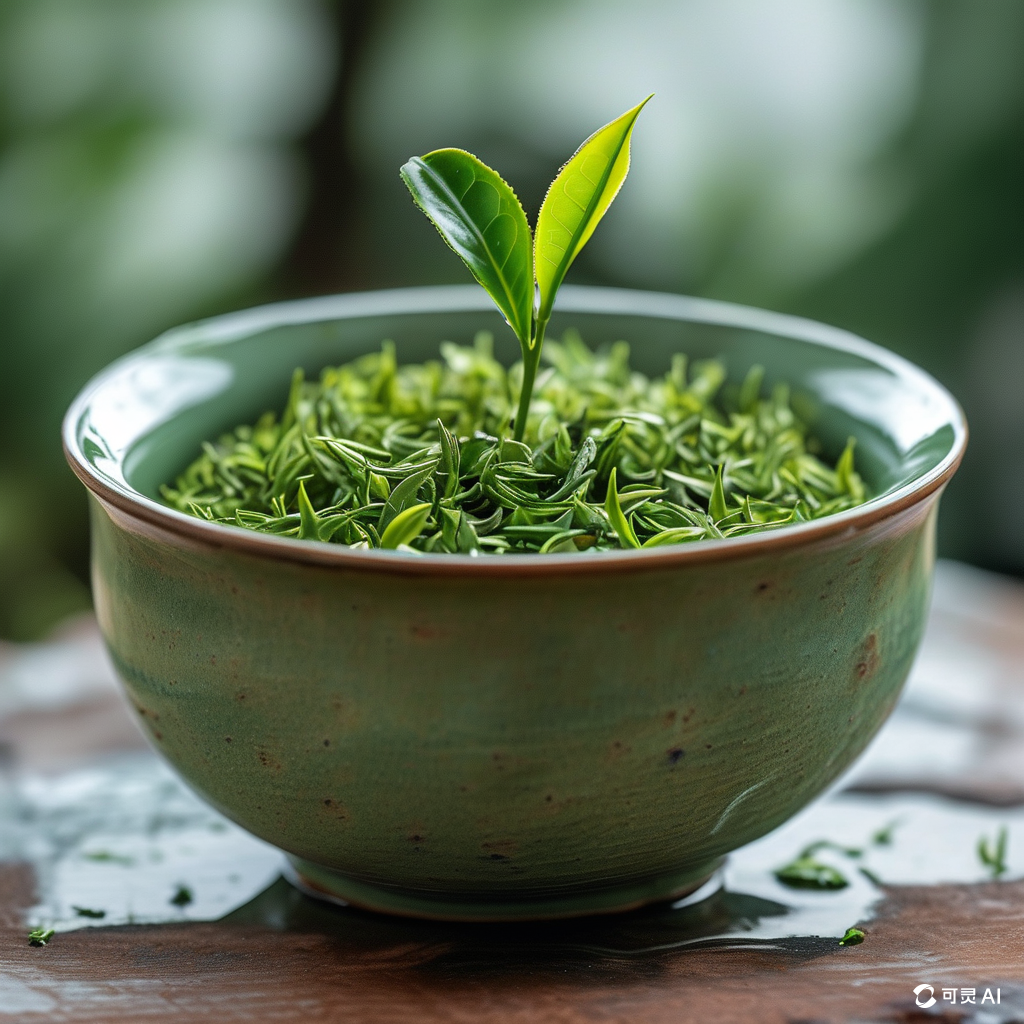
Matcha lattes have become a popular menu item at coffee shops across the U.S., with chains like Starbucks, Manner, and Seesaw featuring them prominently. But how can you tell if you’re getting high-quality matcha? What is the process behind making authentic matcha? By the end of this article, you’ll be equipped to enjoy a more flavorful matcha latte this summer!
What is Matcha? Understanding the Three Essential Standards
Matcha originated from a powdered tea called “mocha” during the Southern Song Dynasty in China. After its introduction to Japan, mocha underwent several changes, eventually becoming the matcha we know today. The Japanese Tea Association defines matcha as tea made from shade-grown leaves that are dried without being rolled, then ground into a very fine powder using traditional stone mills. The three essential characteristics that distinguish matcha from regular tea powder are: Shade Cultivation, Steaming Process, Stone Grinding.
Shade Cultivation
The traditional method involves covering tea plants with shading materials like reed mats or straw when the buds have 2–3 leaves. Today, fabrics like “furoshiki” are commonly used, achieving up to 98% shading.
After 20 to 30 days, the newly grown leaves develop more chlorophyll, resulting in a vibrant green color and increased size and tenderness. This process also enhances the amino acid content, primarily L-theanine, boosting sweetness and umami while reducing bitterness from catechins. This unique cultivation method gives matcha its characteristic color and a natural sweetness reminiscent of seaweed.
Steaming Process
The mainstream Japanese method involves steaming the leaves rather than using the stir-frying technique common in China. Freshly picked tea leaves are steamed and dried on the same day, with stems and veins removed to retain only the leaf flesh.
Although the aroma from steamed matcha may not be as pronounced as that of Chinese green tea, this method effectively preserves chlorophyll, resulting in a greener tea and brew.
Stone Grinding
The final step in matcha production involves grinding the tea into an extremely fine powder, releasing aromatic molecules. The unique design of the stone mill ensures a fine particle size, and its low-friction grinding process prevents heat from damaging the color and flavor compounds. This fine matcha powder doesn’t settle when mixed with water, offering a rich flavor with a smooth mouthfeel.
Some people may notice a seaweed flavor when drinking matcha; this is due to the shade cultivation, which increases a compound called dimethyl sulfide. This compound contributes aromas reminiscent of roasted corn and boiled shrimp. Additionally, the glutamic acid found in seaweed has a similar chemical structure to L-theanine, explaining the characteristic seaweed flavor of authentic matcha.
How to Identify Quality Matcha: Color and Taste
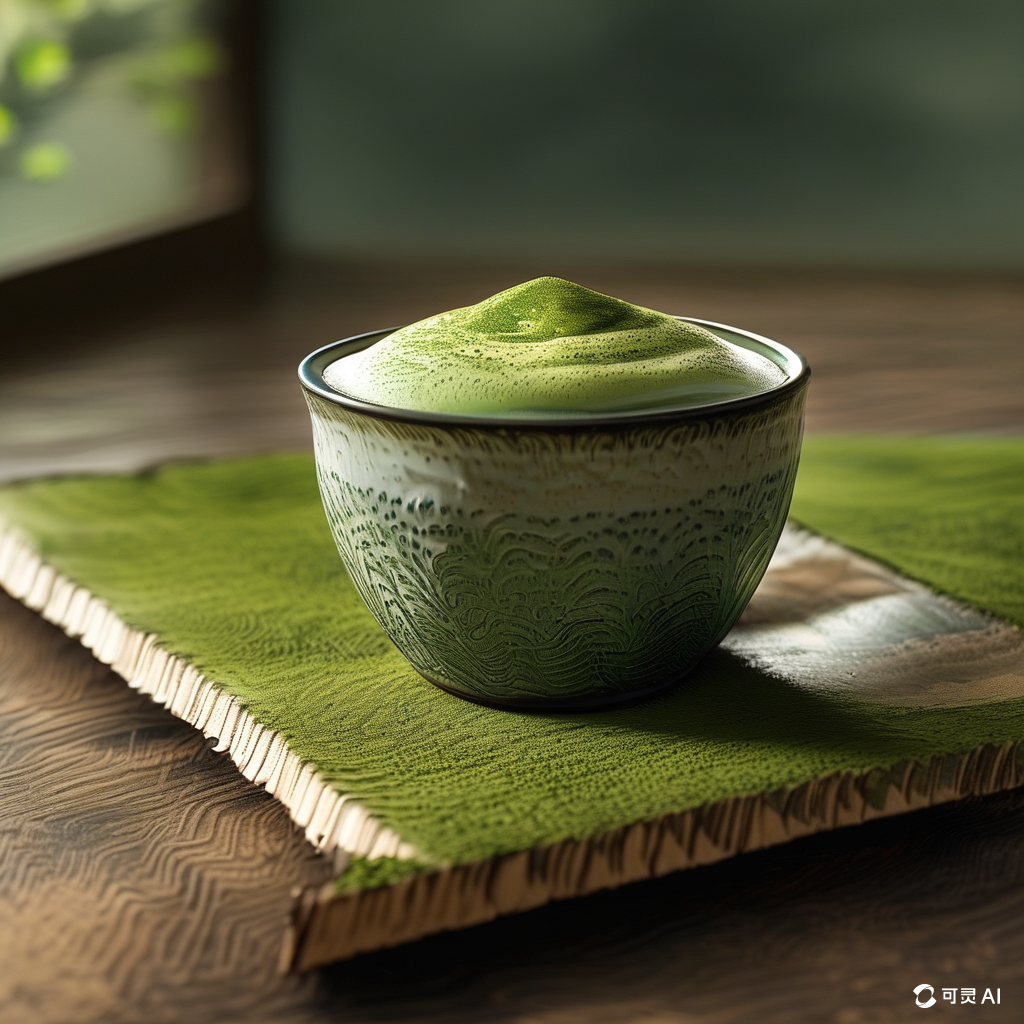
When thinking of Japanese matcha, many people associate it with Uji matcha, renowned for its high quality. However, other regions, such as Shizuoka, Fukuoka, and Aichi, also produce exceptional matcha. Each type has its unique character, but today we’ll focus on how to identify high-quality matcha.
Color of the Powder
True matcha powder should be a bright, vibrant green. Shade-grown steamed tea powder may appear lighter green with a hint of yellow, while regular green tea powder often has a dull, murky green color.
Color of the Brew
After brewing, the color of the tea liquor will show similar distinctions. Other powders with larger particles will settle easily, resulting in a less vibrant drink compared to pure matcha.
Flavor Profile
The most significant difference lies in the taste. Pure matcha offers a smooth, light, slightly sweet flavor with a hint of seaweed and virtually no bitterness. In contrast, shade-grown steamed tea powder may have matcha characteristics, but the pronounced bitterness can overshadow these subtleties. Regular green tea powder tends to be more bitter with a noticeable graininess.
Enjoying Matcha: Tea Ceremony vs. Culinary Use
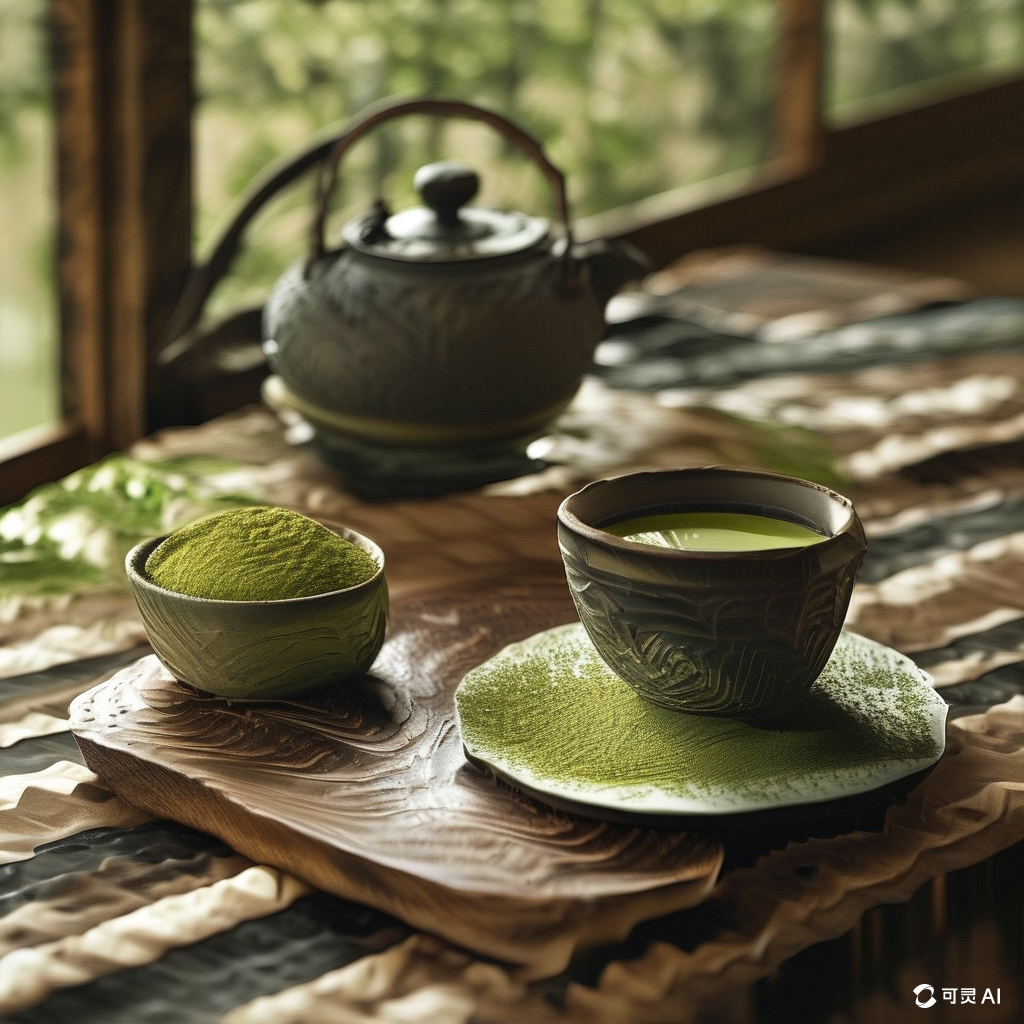
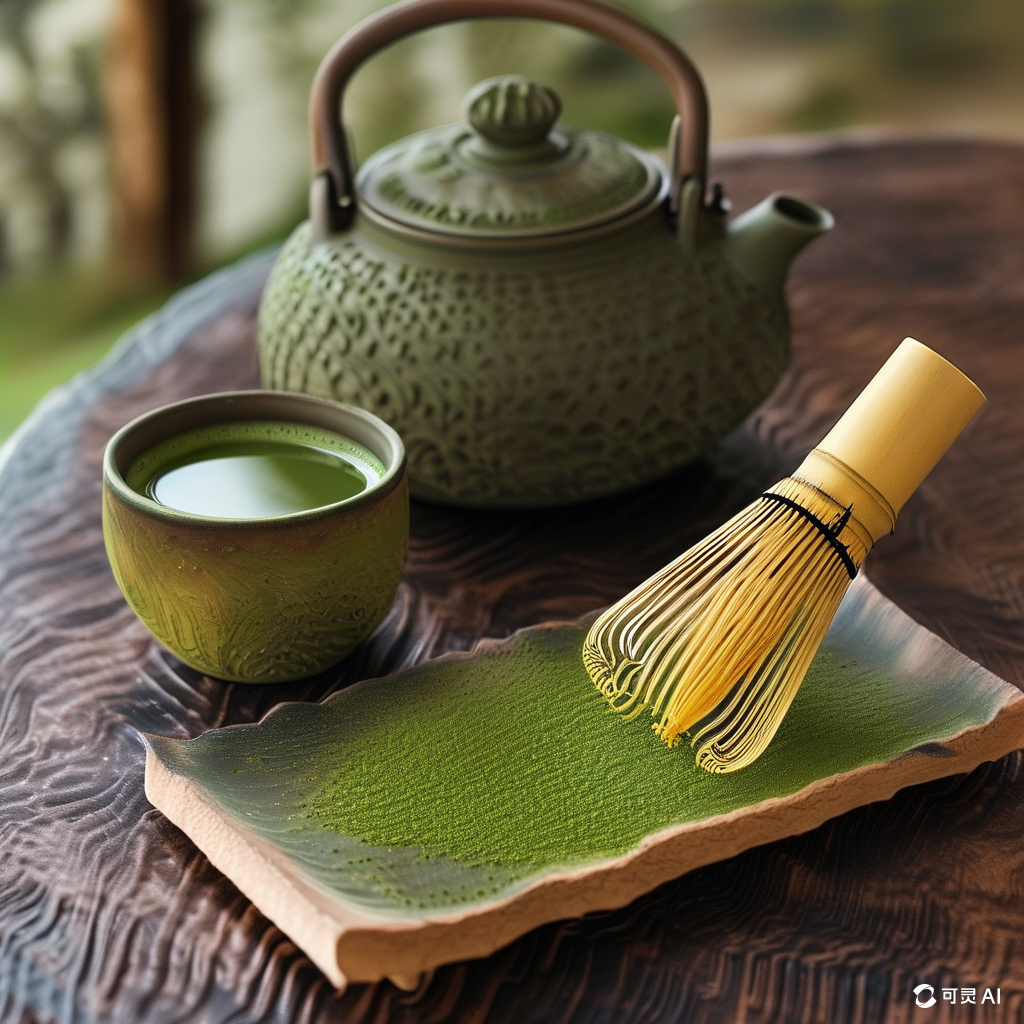
Drinking matcha is essentially about “eating tea,” which involves mixing matcha powder with water to experience its authentic flavor. To prepare traditional Japanese matcha, you’ll need specific tools, including a tea whisk, bowl, and scoop.
There are two primary methods for serving matcha in Japanese tea ceremonies: thin tea (usucha) and thick tea (koicha). Thick tea uses a ratio of about 1:10 for matcha powder to water, suitable for high-quality matcha that is less bitter and sweeter. Lower-grade matcha is better for thin tea.
Both methods are similar: sift the appropriate amount of matcha into the bowl, add hot water (around 70–80°C or 158–176°F), and whisk in a “W” or “M” motion to incorporate air and create a fine foam.
However, if you prefer matcha in desserts like matcha chocolates, matcha lattes, or matcha cakes, the high-grade ceremonial matcha may not be your best option. The delicate flavors of premium matcha can be overwhelmed by strong ingredients like sugar, dairy, and chocolate.
In contrast, lower-grade matcha, which is often more bitter, can enhance the unique flavor in baked goods and culinary dishes. Additionally, cooking and baking typically require more matcha than when drinking it straight.