shemeizhuanyong shemeizhuanyong
Increasingly, people are hearing about the health risks of fructose in drinks. But wait, isn’t fructose the natural sugar in fruits? Could it really be that harmful? Does this mean we should avoid fruits too?
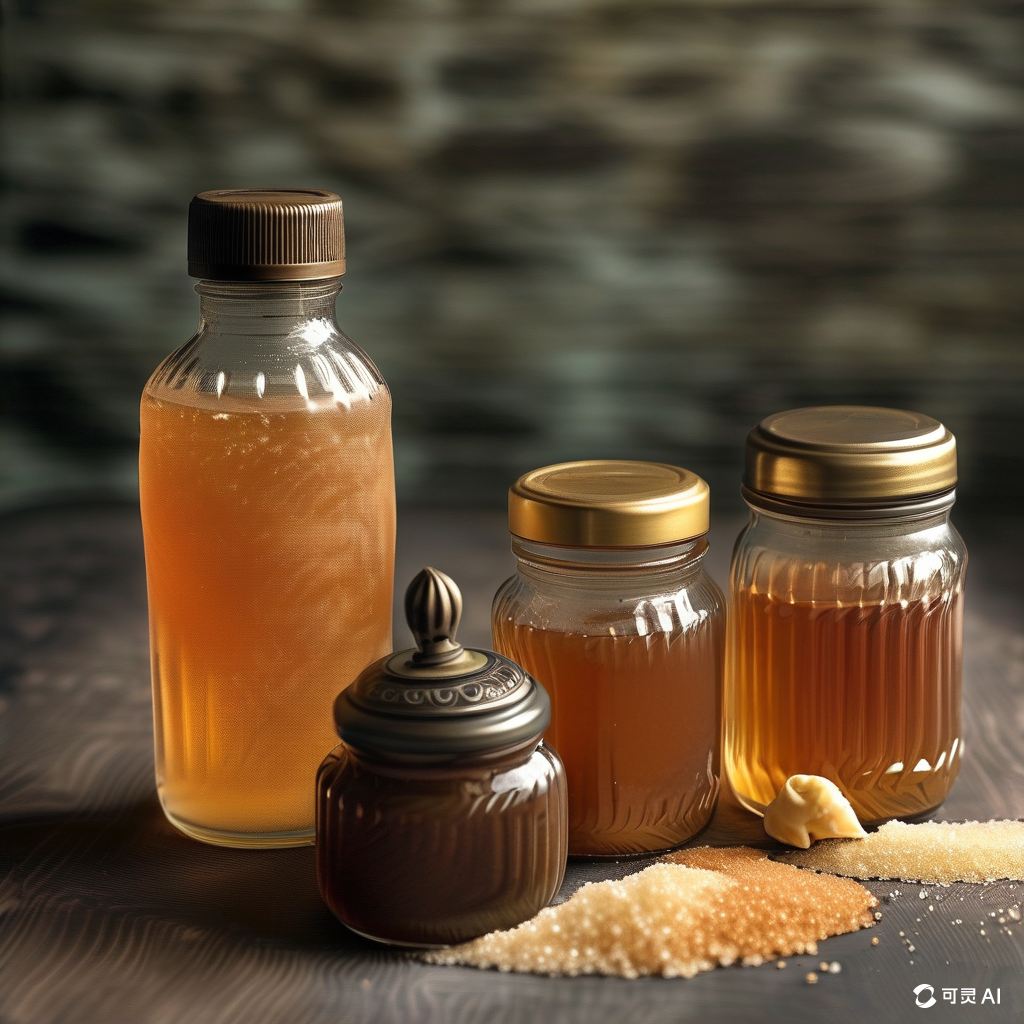
High-Fructose Corn Syrup vs. Fruit Sugar
First, the “fructose” added in drinks isn’t the same as the fruit-derived fructose naturally found in whole fruits. It’s actually a type of processed sugar, also known as high-fructose corn syrup (HFCS), derived from corn starch and widely used in soft drinks, snacks, and desserts.
HFCS goes through an industrial process to increase its fructose content, making it much sweeter than regular sugars. In fact, you might find HFCS in labels like HFCS 42 or HFCS 55, with different percentages of fructose. A popular soda with red labeling, for instance, uses HFCS 60, where fructose is 60% of its sugar content.
Why High-Fructose Corn Syrup is a Health Risk
For manufacturers, HFCS is a dream ingredient: it’s cheap, long-lasting, and extremely sweet. But overconsumption of HFCS is linked to serious health problems like fatty liver disease and Type 2 diabetes. Unlike natural sugars from fruit, HFCS overloads the liver, the only organ that can metabolize fructose. Over time, excessive HFCS converts directly into fat, which leads to liver damage and metabolic issues.
Even worse, HFCS is hidden under many names: high-fructose syrup, fructose syrup, glucose-fructose syrup, and crystalline fructose. Some “sugar-free” products even substitute HFCS for sugar, leaving consumers unaware of its health impacts.

True Fructose in Fruits
The natural fructose in whole fruits is fundamentally different. It’s balanced with dietary fiber, vitamins, and essential minerals that aid in digestion and slow down sugar absorption. For example, a medium banana has about 23 grams of sugar, which is moderate and nutrient-rich. In contrast, sugary drinks and milk tea can contain up to 60 grams of sugar per serving—far above daily guidelines.
Why Fruits are Healthier than HFCS-Laden Drinks
Balanced Sugar Content: Fruits contain natural sugars balanced with fiber and nutrients, making them healthier than HFCS-containing soft drinks.
Free Sugars vs. Natural Sugars: Free sugars include all added sugars in processed foods, like HFCS in sodas and candy, while natural sugars in fruits come with added benefits. Dietary guidelines suggest limiting free sugars but encourage daily fruit consumption.
Most People Don’t Eat Enough Fruit: One of the most common dietary issues globally is fruit underconsumption. Studies show that consuming an extra 200 grams of fruits and vegetables daily can reduce cardiovascular disease risk by up to 5%.
In short, if you’re concerned about sugar consumption, cutting back on HFCS-containing drinks and foods is a wise choice. But fruits? Keep enjoying them! They’re rich in nutrients and antioxidants that support heart health and overall well-being.