shemeizhuanyong shemeizhuanyong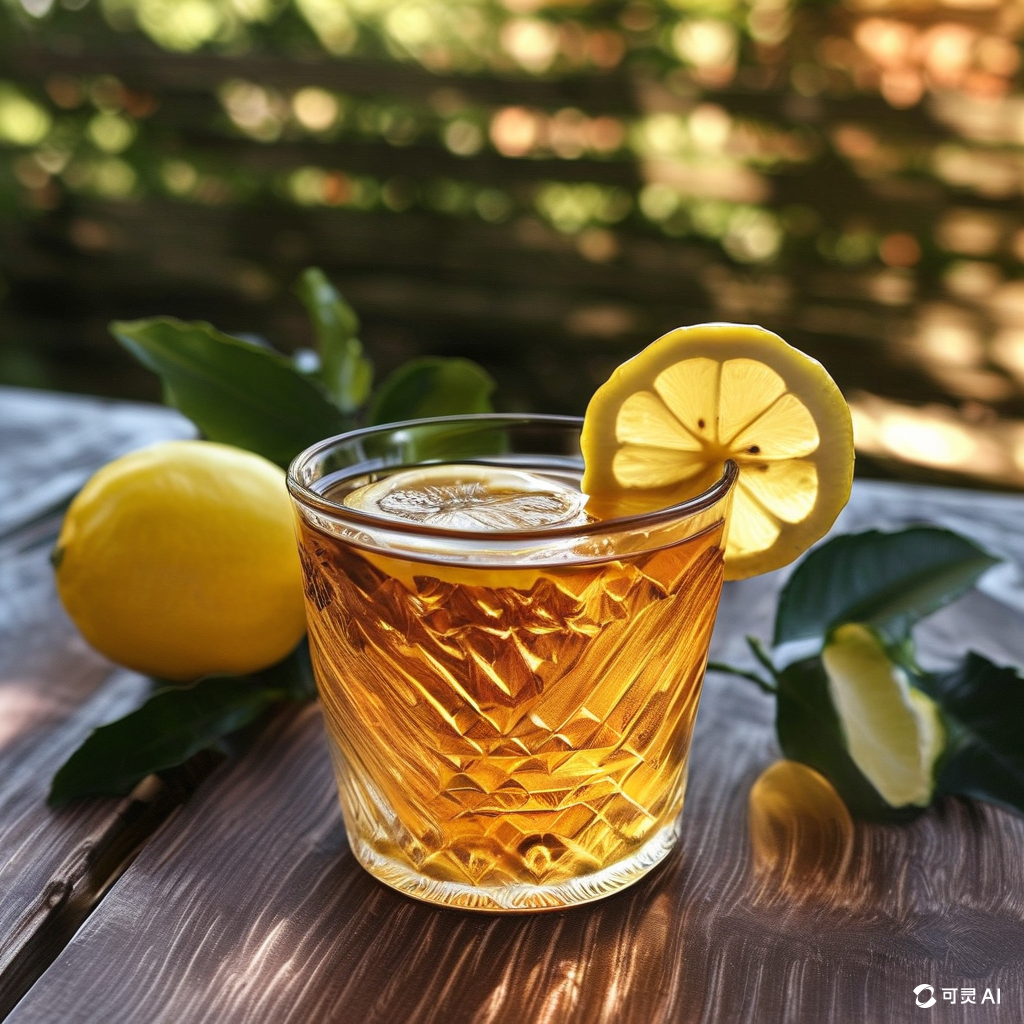
This summer, my taste buds have been on a wild adventure. Beverage shops have been competing to create unique drinks, featuring ingredients I had never heard of before—like oil fruit, yellow skin, and pandan. But after trying a myriad of fancy drinks, the most refreshing and satisfying one turned out to be the classic: Perfume Lemon Tea.
After months of experimentation, I finally decoded some of the biggest mysteries surrounding this drink:
Why do all shops emphasize using perfume lemons?
Why is it necessary to smash the lemons instead of just squeezing them by hand?
Why does the drink turn bitter once the ice melts?
What distinguishes perfume lemons from yellow lemons and limes?
Let’s dive into my insights!
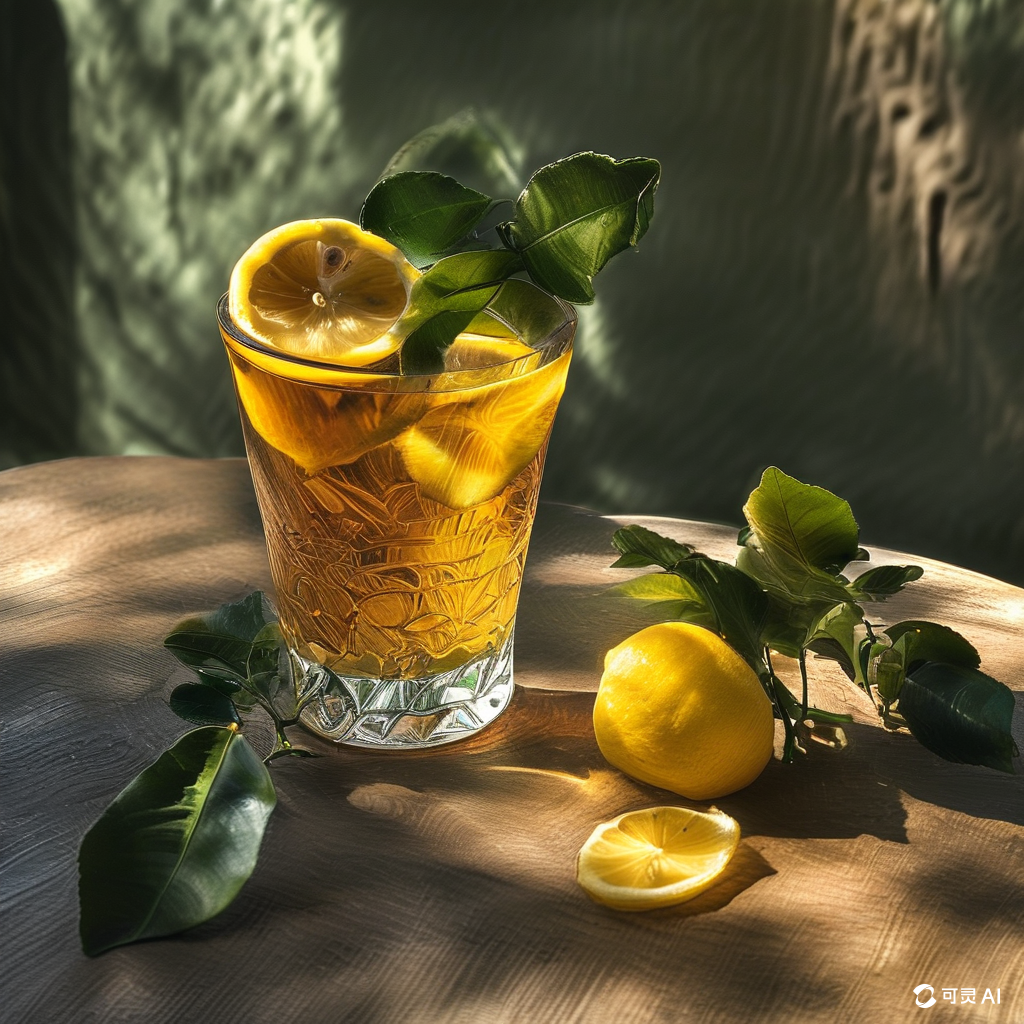
Perfume Lemons: The Rising Star of Citrus Fruits
Perfume lemons are not a new phenomenon; they first gained popularity in Taiwan and later spread to regions like Guangdong and Guangxi, thanks to the bubble tea craze. Their price skyrocketed from a wallet-friendly $1.50 for 2 pounds last year to $3.85 this summer, and they often sell out. So, what exactly are these citrus newcomers?
Most citrus fruits originate from three main wild species: the mandarin orange (Citrus reticulata), grapefruit (C.maxima), and citron (Citrus medica). With a bit of human ingenuity, these species have evolved into an enormous family of citrus fruits, leading to a confusing array of hybrids.
For example, the familiar yellow lemon is a hybrid of citron (male) and sour orange (female). Meanwhile, limes are a broader category that includes the well-known Persian lime, a hybrid of citron (male) and the smaller key lime (female).
Globally, there are over 200 varieties of cultivated lemons, with common types in the U.S. including Eureka lemons, Femminello lemons from Italy, and Lisbon lemons from Portugal. The popular Sichuan An’yue yellow lemon actually originated from the U.S. in the 1920s but has since been cultivated into a superior local variety.
In summary, the citrus family is incredibly complex, and even I find it hard to keep track! As for our star today, the perfume lemon, it doesn’t even appear on a citrus family tree published in 2018. However, based on research by botanist Liu Su, it might be a hybrid of lemon and mandarin—specifically, Gondhoraj lime, a variety native to Bangladesh.
Why Choose Perfume Lemons? A Comparison with Yellow Lemons
While identifying citrus varieties can be tricky, perfume lemons are quite distinctive. They have a unique elongated shape and a smooth, vibrant yellow-green skin that sets them apart from other citrus fruits. Their surface is covered in aromatic oil glands that release a fragrant aroma, easily detectable even without cutting the fruit.
When you slice a perfume lemon in half, you’ll find it mostly seedless, with delicate, pale yellow-green flesh that yields a high juice content of about 51.17%—higher than yellow lemons, which yield about 45.26%.
However, because the juice cells in perfume lemons are finer, squeezing them by hand can be a hassle. This is likely why beverage shops prefer to smash them for juicing!
Flavor-wise, perfume lemons are extremely tart, with a sugar-to-acid ratio of about 1:12, compared to yellow lemons at 1:39. The juice is clear, light green, and has a pronounced sourness with a hint of bitterness, whereas yellow lemon juice is thicker, pale yellow, and less sour with no noticeable bitterness. This vibrant acidity makes perfume lemons the perfect choice for refreshing summer drinks!
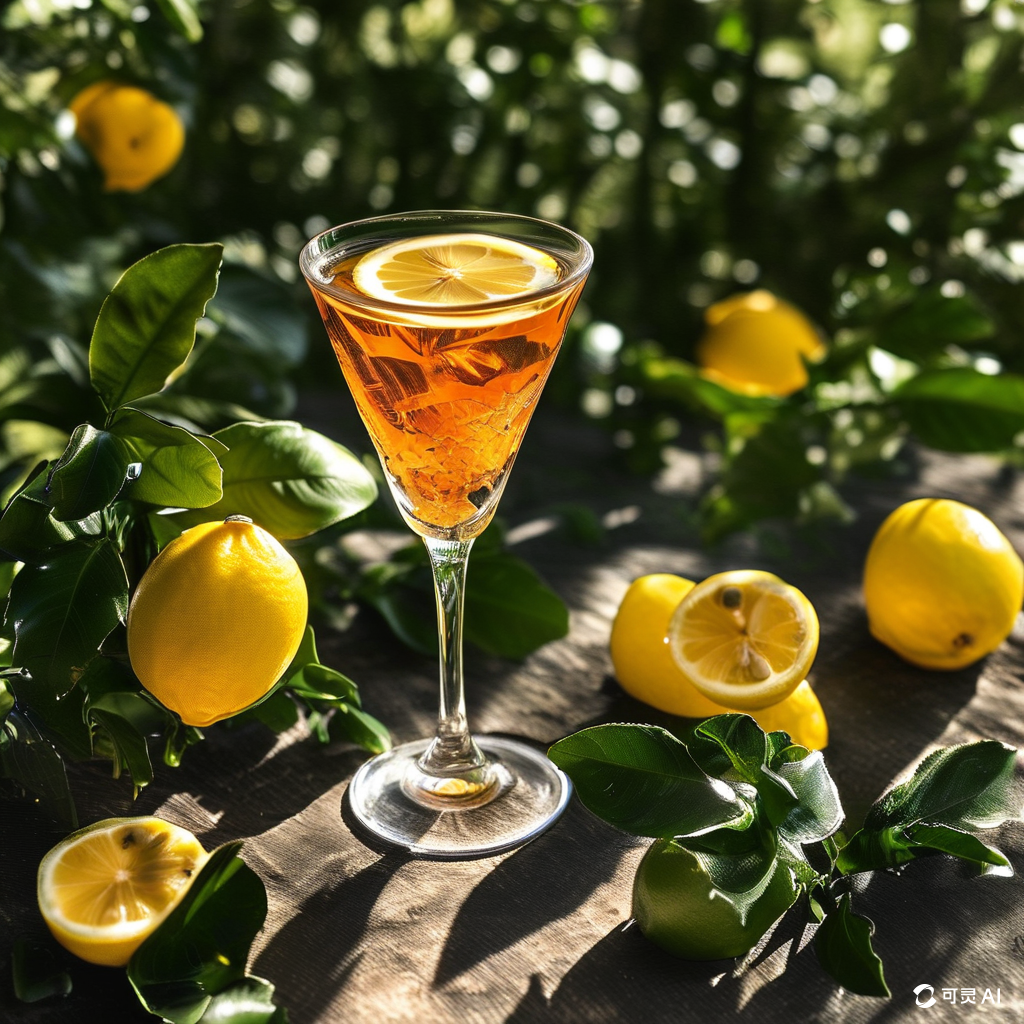
The Secret to Delicious Lemon Tea: Temperature and Technique
Besides their tartness, smashed lemon tea has a distinctive flavor profile that includes bitterness and astringency. Many shops market their drinks with the slogan: “No astringency, no lemon tea.”
The astringency in lemon tea isn’t exclusive to our new favorite, as classic Hong Kong lemon tea also features this familiar taste. So, where does this bitterness come from?
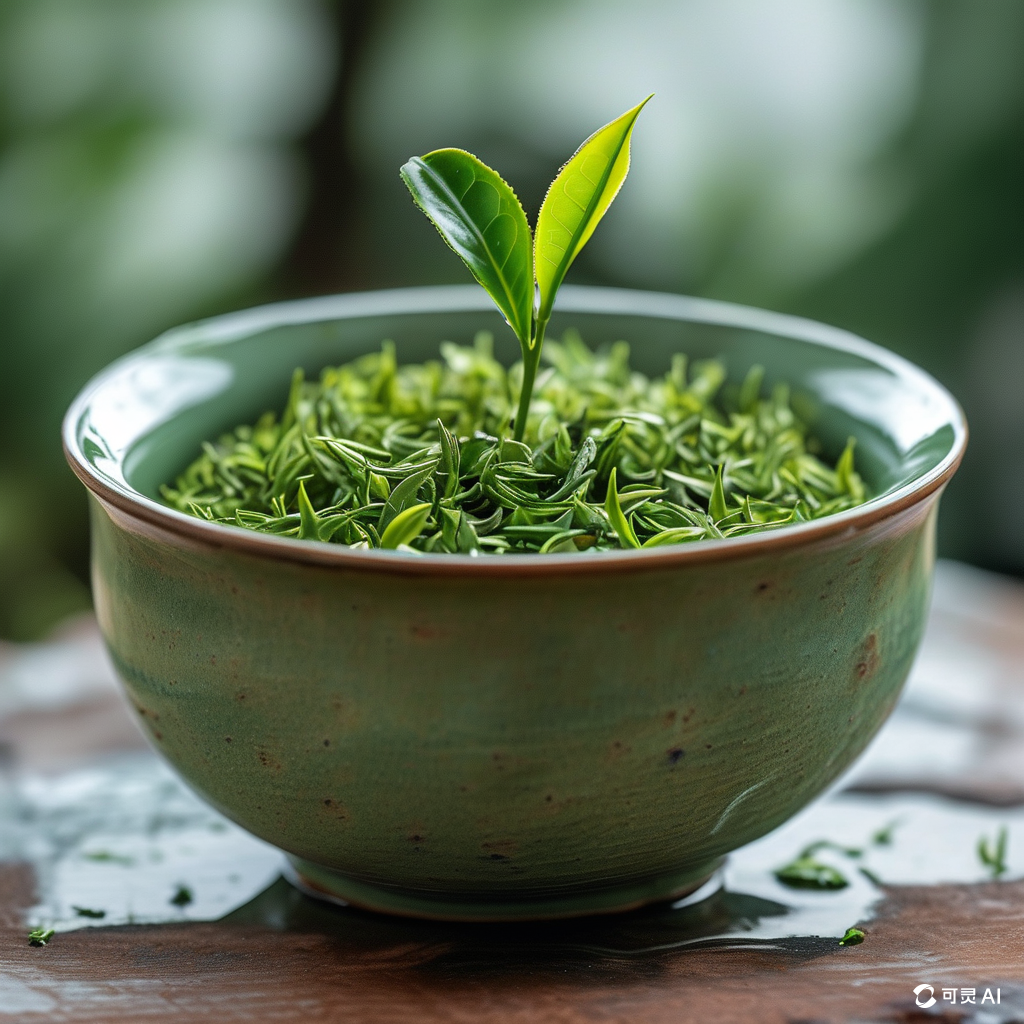
First, there’s the tea’s astringency. The bitterness comes from tea polyphenols, which contribute varying levels of astringency depending on the type of tea used. These polyphenols not only produce a noticeable astringency but also provide a lingering sweetness that makes the flavor experience more complex.
Next, we have limonin, a bitter compound found in lemon peels and seeds. This compound serves as a defense mechanism for plants against predators. When we use lemon to make beverages, adding too much peel or seeds can result in a drink that’s nearly undrinkable due to bitterness.
Interestingly, limonin levels are typically low in fresh fruit but can increase when juices sit for a while or are heated. This is because limonin appears in citrus fruits after they’ve been damaged, such as through the smashing process or exposure to hot water.
As you sip your lemon tea, if lemon slices remain in the drink as the ice melts, the increasing temperature will likely intensify the bitterness.
While smashing releases the “bitterness” demon, it also unlocks the aromatic qualities of the lemon.
Most of the lemon’s fragrance comes from essential oils found in the peel. To extract these fragrant oils, some form of mechanical action is necessary—whether it’s piercing or smashing the fruit.
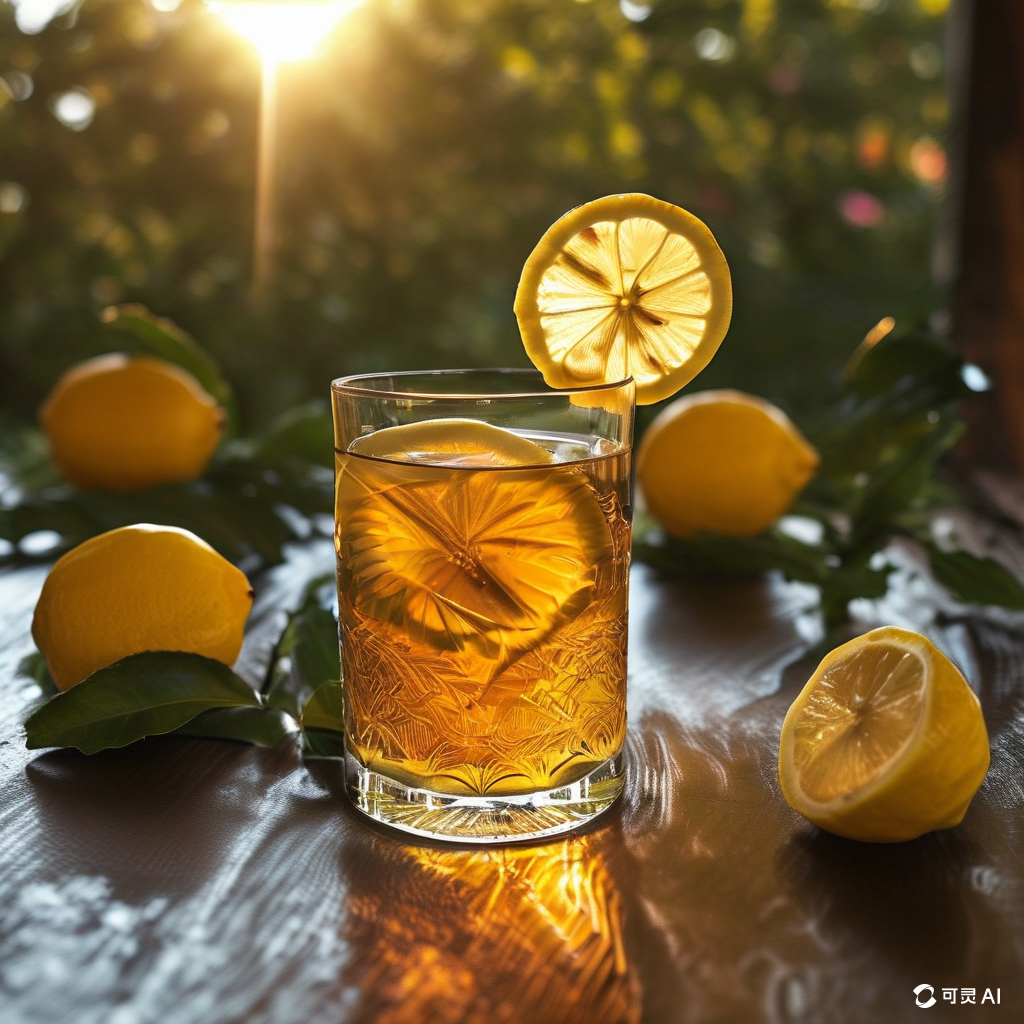
Tips for Making the Perfect Lemon Tea at Home
You might find this information intriguing, but how can you replicate the perfect smashed lemon tea at home? Here are my top tips:
·Smash the lemons with ice.
·After smashing, remove the lemon slices to avoid bitterness.
·Drink it quickly after making; don’t let it sit too long.
·Chill the tea beforehand; cold brew is best.
·Or maybe just skip it—smashing is hard work!
In addition to using only perfume lemons, I experimented with combining them with oil fruit and pandan.
Lemon + Oil Fruit Version: More astringent, with an unforgettable aftertaste.
Lemon + Pandan Essential Oil: Bright green but use sparingly; too much will alter the flavor.