shemeizhuanyong shemeizhuanyong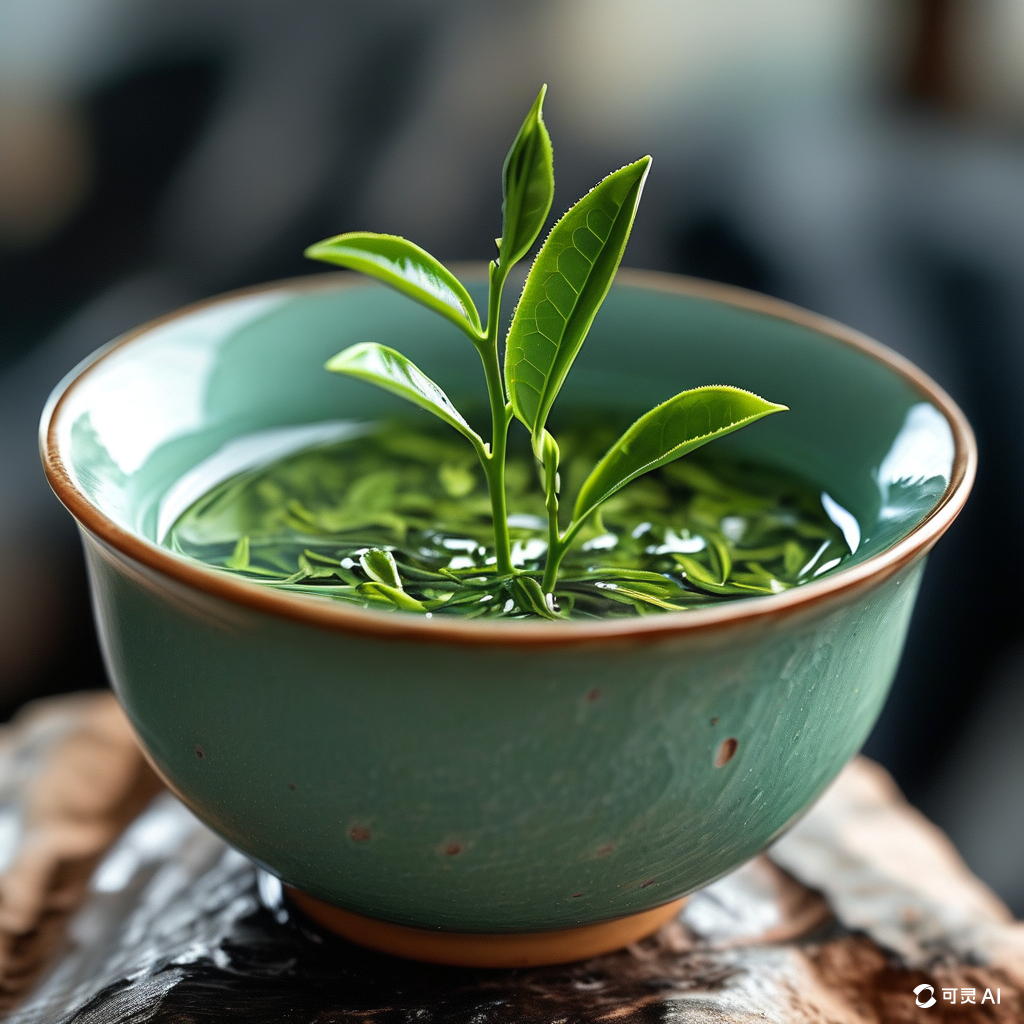
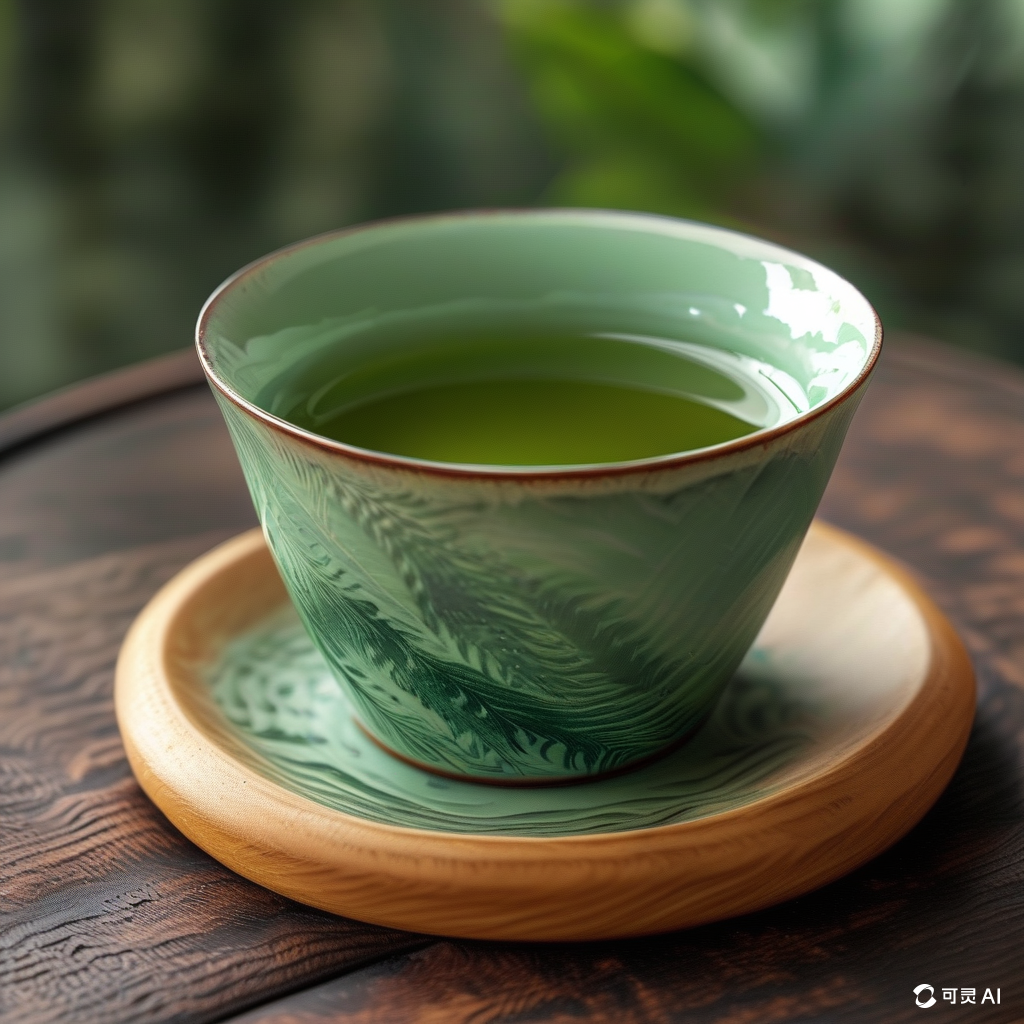
Green tea is synonymous with the fresh flavors of spring, but not all green tea is created equal. The disparity between a $50 per pound green tea and a $5000 per pound one is significant, and understanding the factors that influence this difference is crucial. In this guide, well explore key aspects of green tea, including processing methods, tea plant selection, and tips for choosing the best tea for your palate.
What Makes Green Tea Unique?
The Importance of Processing Methods
The processing of green tea is critical for preserving its natural compounds. Here are the essential steps involved:
Picking: Quality green tea starts with careful hand-picking. The best method is known as “pinching,” where the stem is broken with fingers rather than nails, which can damage the cells and affect the flavor.
Withering: This step helps evaporate moisture from the leaves and enhances aroma. A cool, well-ventilated environment is ideal for withering; poor conditions can lead to off-flavors.
Pan-Firing: Pan-firing preserves the green color and flavor. The temperature must be carefully controlled—too high results in burnt flavors, while too low may not deactivate enzymes effectively.
Rolling: This step extracts tea juices and enhances the flavor during brewing. High-end teas like West Lake Longjing often undergo hand-rolling, while most are machine-processed.
Drying: After initial drying, quality teas are sorted to remove imperfections and undergo a second drying to minimize moisture and spoilage.
The Role of Tea Plants
The choice of tea plant variety and harvest timing significantly impact quality. High-quality green tea typically comes from plants that:
Have lower polyphenol and anthocyanin levels: These compounds influence bitterness and color.
Feature higher amino acid content: Amino acids contribute to the tea’s refreshing flavor. Tender leaves have more amino acids, which is why premium green teas are often rare and expensive.
How to Choose the Best Green Tea
When shopping for green tea, consider these five key factors:
Leaf Tenderness: Tender leaves are generally better, but specific teas may have unique picking requirements.
Leaf Integrity: Look for whole leaves; intact leaves are a sign of quality.
Color of the Brew: Quality green tea should yield a bright yellow-green brew. Murky colors indicate poor quality.
Taste Profile: The tea should taste fresh and sweet. Stale tea often has a musty smell.
Leaf Bottom: Examine the leaf’s color and condition. Any signs of red stems or damage may indicate poor handling.
Common Misconceptions About Premium Green Teas
Longjing (Dragon Well)
Only tea from the West Lake region can be labeled as West Lake Longjing. Other areas may produce Longjing but lack the same prestige.
Biluochun
This tea can only be called Dongting Biluochun if harvested from specific islands in Lake Taihu before the Grain Rain (Guyu) season.
Anji White Tea
Despite its name, Anji White Tea is actually a type of green tea, made from the “White Leaf No. 1” cultivar.
Pu-erh Raw Tea
This tea is made from sun-dried green tea leaves, known for its high polyphenol content. Its fermented counterpart is Pu-erh ripe tea.
Notable Green Teas to Explore
Taiping Houkui: Made from tender buds and leaves, this tea has a unique flower-like appearance.
Huangshan Maofeng: Originating from Huangshan, Anhui Province, known for its delicate shape and flavor.
Xinyang Maojian: A special tea from Xinyang that combines various techniques for a distinct taste.
Conclusion
Understanding the differences between green teas—from processing methods to tea plant selection—can enhance your appreciation and help you make informed purchasing decisions. Whether you opt for a budget-friendly choice or indulge in a premium tea, knowing what to look for will ensure you enjoy the best of what green tea has to offer. Happy sipping!